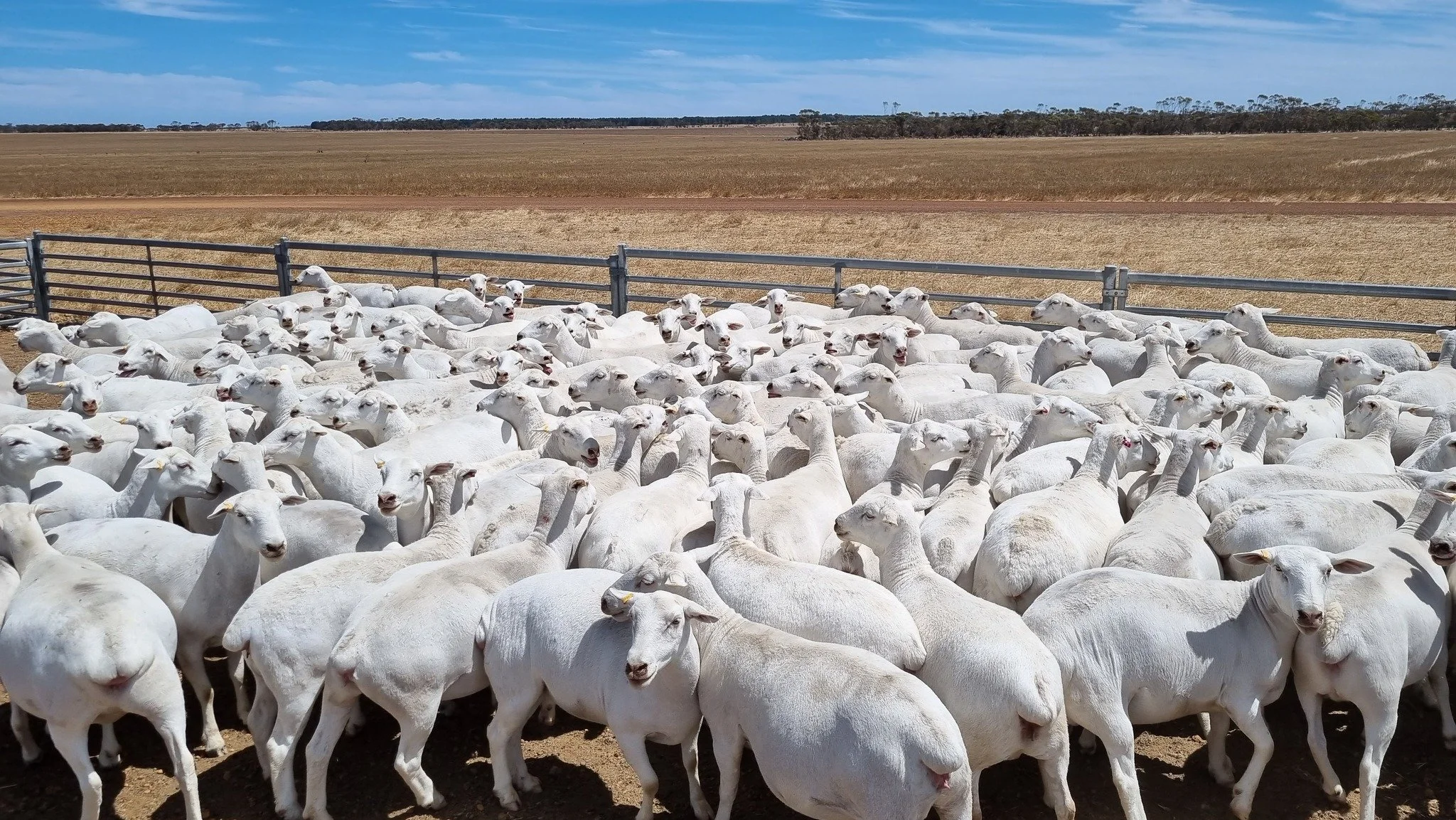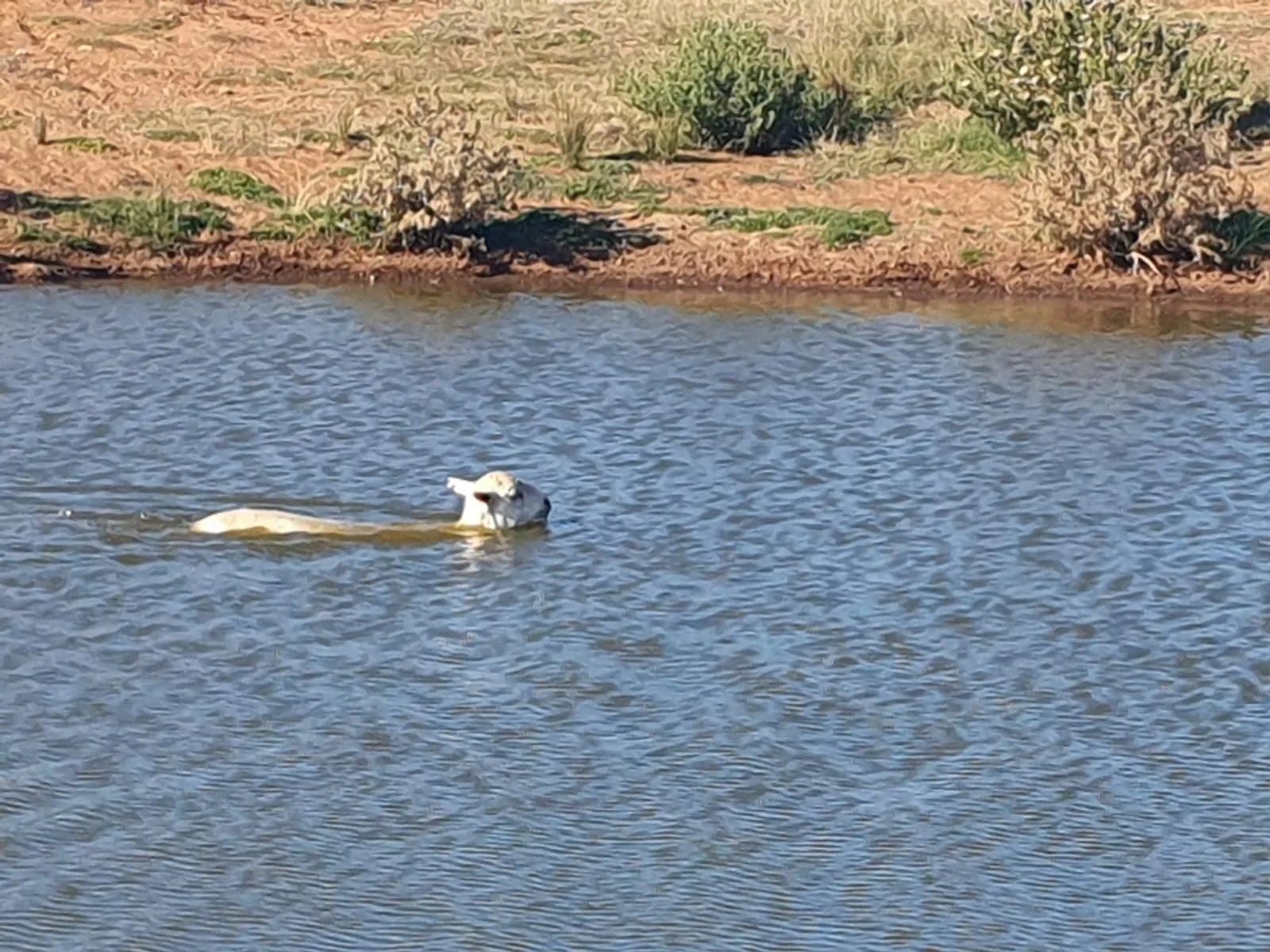
Transitioning to SheepMaster
Without wool to worry about, you’ll spend less time on shearing and more on pasture management, lamb survival, and body condition. This shift supports better land use and can reduce overall on-farm costs significantly.
As the economics and demands of sheep farming shift across Australia and New Zealand, many wool producers are rethinking the viability of traditional breeds. Labour shortages, fluctuating wool prices, and animal welfare considerations are prompting a closer look at low-maintenance, self-shedding alternatives.
At the same time, some producers running other shedding breeds are facing challenges with consistency, conformation, or market suitability — prompting them to explore more reliable options. One of the standout solutions in this space is the SheepMaster — an Australian-bred shedding sheep purpose-designed to deliver dependable shedding, superior carcass traits, and outstanding paddock performance.
For wool growers looking to transition, or shedding sheep producers seeking a breed with proven genetics and commercial returns, SheepMaster offers a practical and profitable path forward.
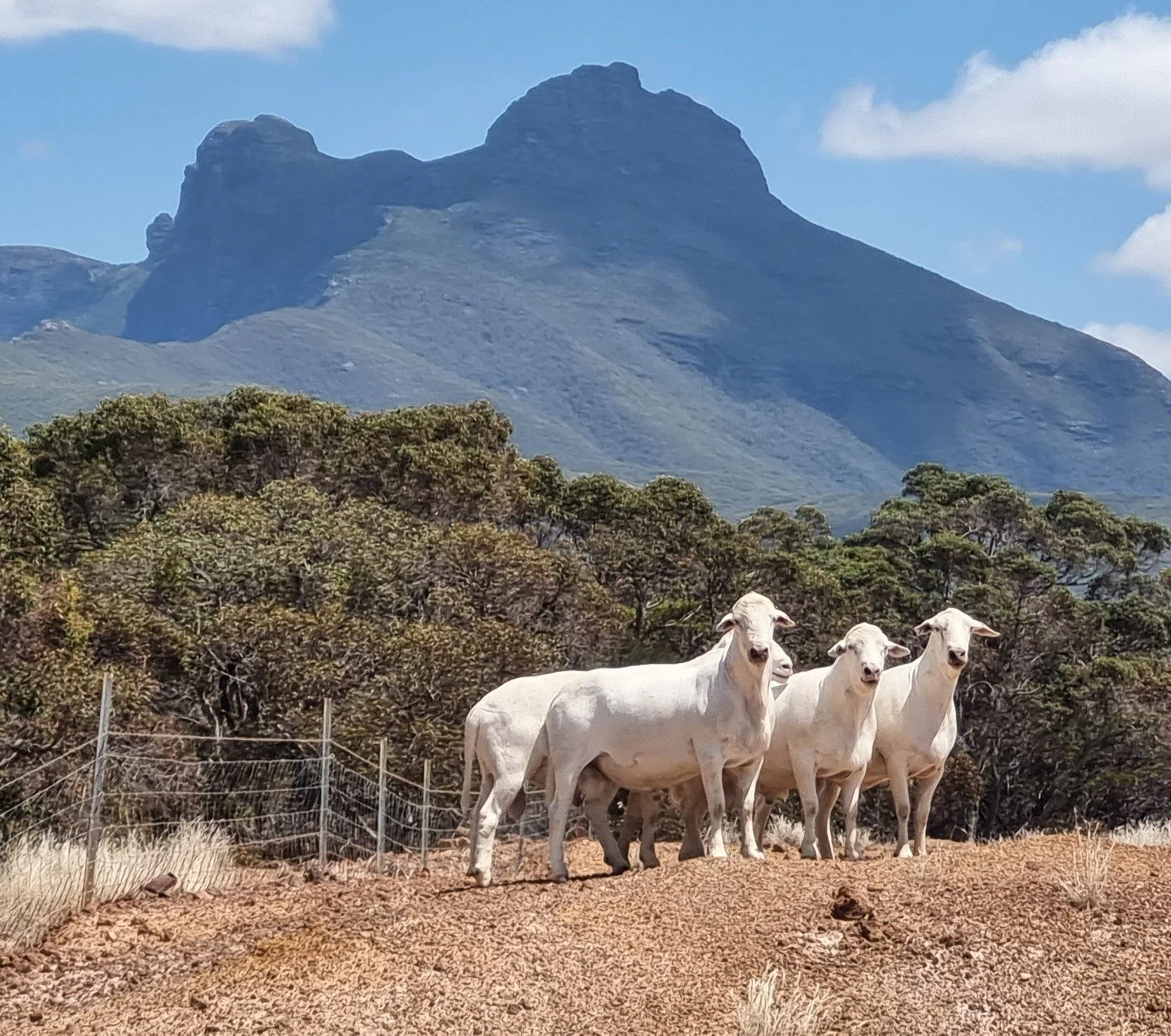
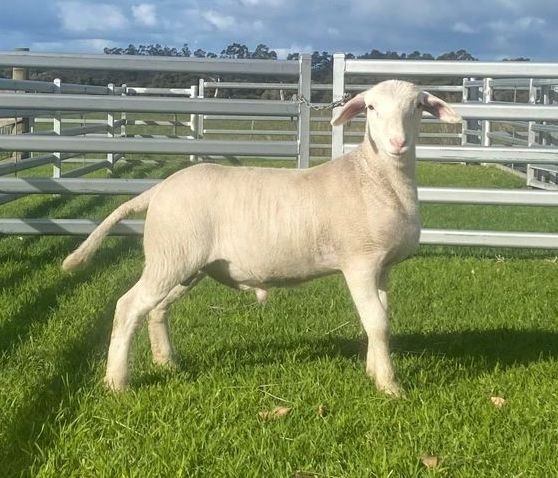
Real-World Success
Across WA, NSW, SA, QLD and New Zealand, former wool growers are making the switch with confidence. Many report improved work-life balance, better animal welfare outcomes, and stronger bottom lines. The appeal lies in a sheep that fits modern farming realities — especially for those juggling labour pressures or transitioning to semi-retirement or mixed enterprises.
Thinking of Making the Switch?
The SheepMaster breed offers a low-input, high-output alternative to traditional wool production.
Whether you're downsizing your workload, building a meat enterprise, or just ready for a change, the SheepMaster could be the future-proof solution you’ve been looking for
Transitioning from Wool Sheep: A Practical Guide
1. Assess Your Current Flock
Start by reviewing your goals. Are you aiming to reduce labour, improve animal welfare, or simplify management? Assess your wool income versus the costs of shearing, tailing, crutching, and mulesing. Then consider your paddock setup — SheepMasters are adaptable, but rotational grazing and basic fencing will help during the changeover.
2. Source Quality SheepMaster Genetics
Partner with a reputable SheepMaster breeder to access high-performance rams or commercial ewes. Some wool producers choose to begin with rams over their existing ewes to create crossbred progeny with shedding traits, moving toward a pure flock over several years.
3. Breed for Shedding
In early generations, not all lambs will shed fully. Select the best shedders and cull the rest. Within 2–3 generations, you can establish a fully shedding flock, especially if using pure SheepMaster rams each year.
4. Shift Your Management Focus
Without wool to worry about, you’ll spend less time on shearing and more on pasture management, lamb survival, and body condition. This shift supports better land use and can reduce overall on-farm costs significantly.
5. Market Your Lambs Effectively
SheepMaster lambs are typically finished on grass, producing lean, tender meat. Some producers direct market their lambs to consumers or supply branded meat programs looking for sustainable, easy-care production systems.

The udder of a young SheepMaster ewe: excellent milk production with compact structure and small pointy teats which retract back to nothing post weaning. The udder is rarely discussed but this is the most important function in the production of weaner lambs.
Key Benefits of SheepMaster
• No Shearing, Tailing or Mulesing: SheepMasters have skin like a cow, eliminating the need for expensive, time-consuming shearing and reducing stress on the animals. No set back for the lambs at tailing time, very little prolapse.
• Flystrike Resistant: SheepMasters possess a fully shedding, silky skin that eliminates the risk of flystrike — a significant welfare and productivity issue in wool breeds. The absence of flystrike reduces animal health risks, prevents fertility losses, and lowers mortality rates. It also delivers substantial cost and labour savings by removing the need for chemical treatments, crutching, or mulesing.
• High Fertility and Easy Lambing: Most ewes produce twins and lamb easily without intervention — ideal for producers moving to a lower-input system.
• Hardy and Adaptable: Bred for Australian conditions, SheepMasters perform well in varied climates, from semi-arid to high rainfall, cold zones.
• Excellent Meat Quality: As a meat-focused breed, SheepMasters deliver consistent carcass yields and are well accepted by processors and markets.